ELIMINATE
Elimination of TB and Leprosy through Integrated Systematic Screening Efforts (ELIMINATE)
Information
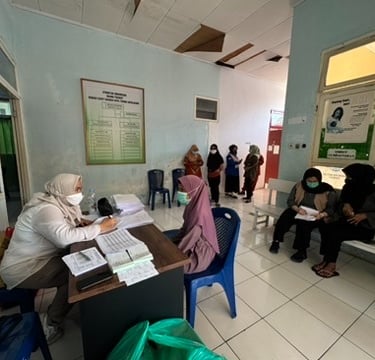
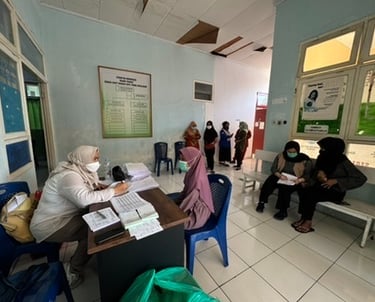
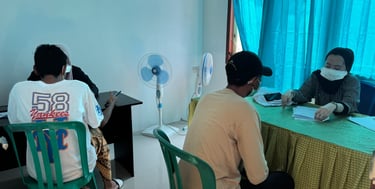
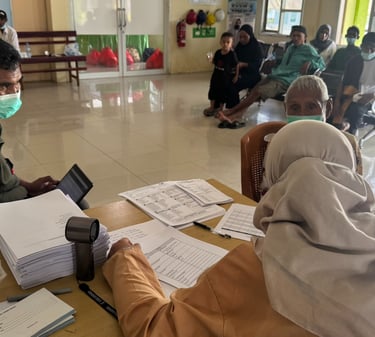
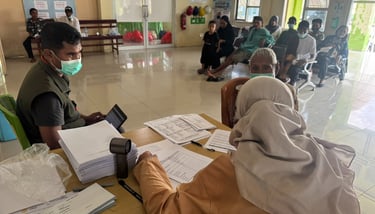
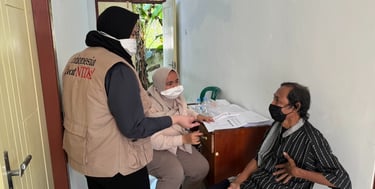
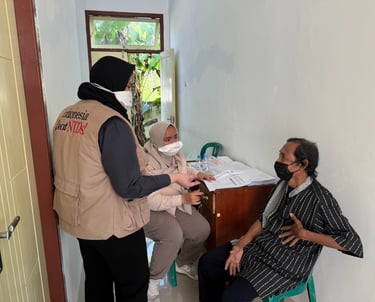
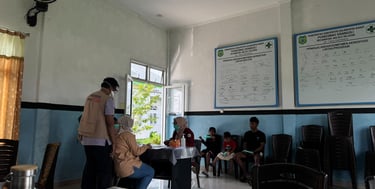
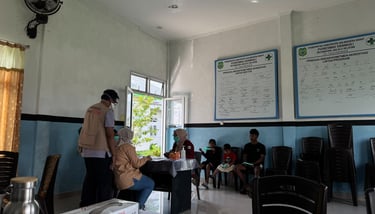
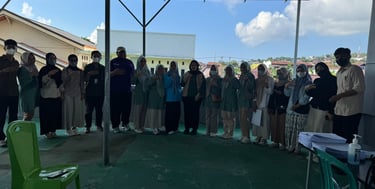
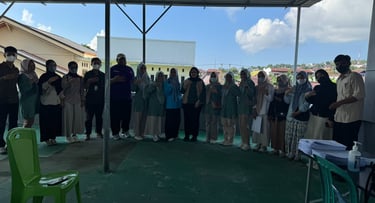
The Elimination of TB and Leprosy through Integrated Systematic Screening Efforts (ELIMINATE) project aims to strengthen early detection of tuberculosis (TB) and leprosy through coordinated, community-based screening activities. Supported by Fujifilm and Politeknik Kesehatan Kota Kupang, the project utilizes portable X-ray units and Qure.ai artificial-intelligence software to enhance diagnostic sensitivity, particularly among individuals unable to produce sputum or presenting with borderline symptoms. A total of 222 participants have been screened, with 93 undergoing X-ray and AI-assisted assessment.
The study also seeks to compare clinical microbiology interpretations between laboratories in Ternate and FKUI, assess leprosy-related stigma among affected individuals, and evaluate treatment adherence among patients receiving multidrug therapy (MDT). Although only one case of TB–leprosy coinfection has been identified to date and follow-up is still ongoing, the project will ultimately examine clinical outcomes in patients receiving combined MDT and anti-TB therapy to determine potential improvements and inform future integrated screening strategies.
Fujifilm
Qure.ai
Politeknik Kesehatan Kota Kupang
Type of Study
Collaborator
Program Implementation Study
Background
The ELIMINATE project was developed to improve early detection of tuberculosis (TB) and leprosy through an integrated, systematic screening approach in the community. The project incorporates portable X-ray technology and artificial intelligence software to strengthen screening sensitivity and decision-making. By combining advanced imaging tools with field-level screening, the program aims to identify potential TB–leprosy coinfections, initiate appropriate combined therapy such as MDT and anti-TB drugs, and follow their clinical outcomes over time. Although only one coinfection case has been found to date and long-term follow-up is still ongoing, the project serves as an important step toward improving integrated detection of both diseases in endemic areas.

Gallery

Head Office Address
Jl. Balai Pustaka Barat 358E
Rawamangun, Pulo Gadung
Jakarta Timur, 13220
Any questions and inquiries, Feel free to contact us:
Contact Us
Corresponding Address
Jalan Pegambiran No. 37 lantai 2,
Rawamangun, Pulo Gadung
Jakarta Timur, 13220